
Permitted Development
Permitted Development Rules
You might think that permitted development rights are a complicated and boring subject, but you would be wrong. In this article we will explore what these changes could mean for the future of your home.
We all know how tempting it can become to just give up on our homes when they start falling apart or become too small, especially with kids in tow! But if there's any one thing I've learned from my years as a builder is not to give up too early because things change quickly around here! With new developments coming forth like Permitted Development Rights (PDR), there are indeed some really exciting times ahead for homeowners who play their cards right, and a bit of forward planning.

What Is Permitted Development?
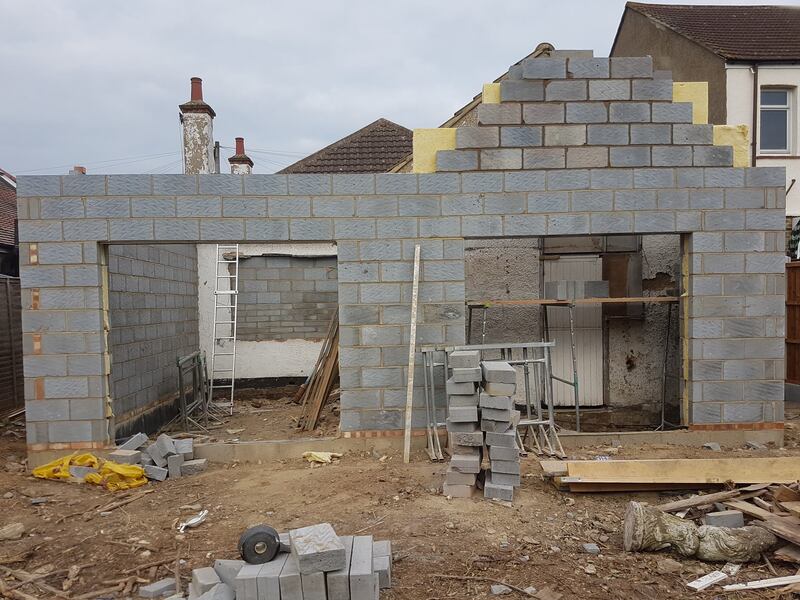
The benefits of Permitted Development (PD) grants are often overlooked, but with the right project and application PD rights can enable homeowners to undertake certain types of work without having to seek planning permission. For example, if you want to extend your home by adding an extra room or converting a garage into living space then under these circumstances there is no need for planning consent as long as it does not exceed 6 metres in height. The best opportunities exist when owners have invested heavily on their property such that they require more rooms; this option removes the potential hassle involved with waiting months before approval comes through from council officials.
Do You Need To Submit An Application For Permitted Development?
There are two ways to start building work. If you know your project is permitted development, then go ahead and get started! To prove that the construction of a site has been lawful, apply for a lawful development certificate.
Before starting any groundwork it's worth considering whether or not planning permission will also be needed at some point in order to complete the job - as this can cause delays due to extensive paperwork with long processing times so don't leave it too late before submitting an application if necessary.
Your Permitted Development Rights
Is there a limit to my permitted development rights?
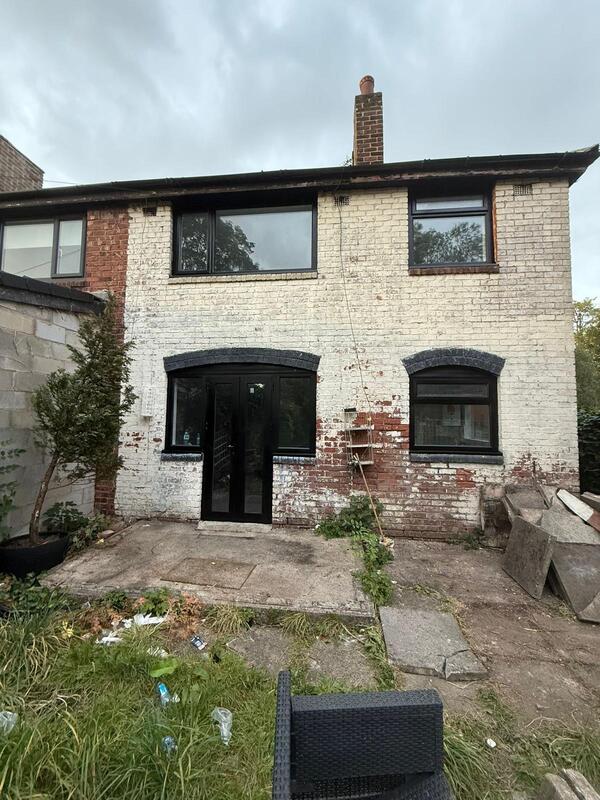
All of the Permitted Development requirements are applied to your home as it was originally built, or as you stood on 1 July 1948. This includes a limit to how many changes can be made when buying a new property and changing what has been added by past owners since then counts towards that allocation.
Do I need to inform the Council for permitted development?
Asking your local planning authority is always a good idea before any work begins. They can provide insight on whether or not there are reasons why it may be prohibited and if you'll want to apply for permission in the process, which will save time.
Can Permitted Development Rights Be Restricted Or Withdrawn?
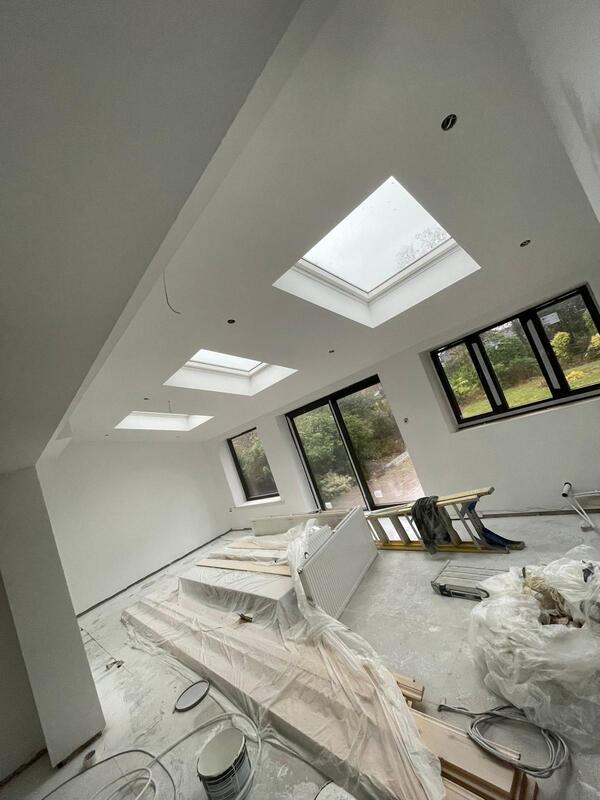
Yes, your property's PD rights could be restricted if it is located in a designated area. The rules are different for flats and maisonettes because any alterations can affect neighbouring properties. You might also have restrictions on how much work you can do without permission from local authorities. This is due to Article 4 directions where certain freedoms were removed under what was deemed necessary so that nearby areas maintain their character, which includes National Parks, Areas of Outstanding Natural Beauty or Conservation Areas etc.
Types Of Permitted Development Rights
PD rights of homeowners can fall into different categories, all depending on the work being planned by the customer.
Class A: House Extensions, Home Enlargements, Improvements And Alterations
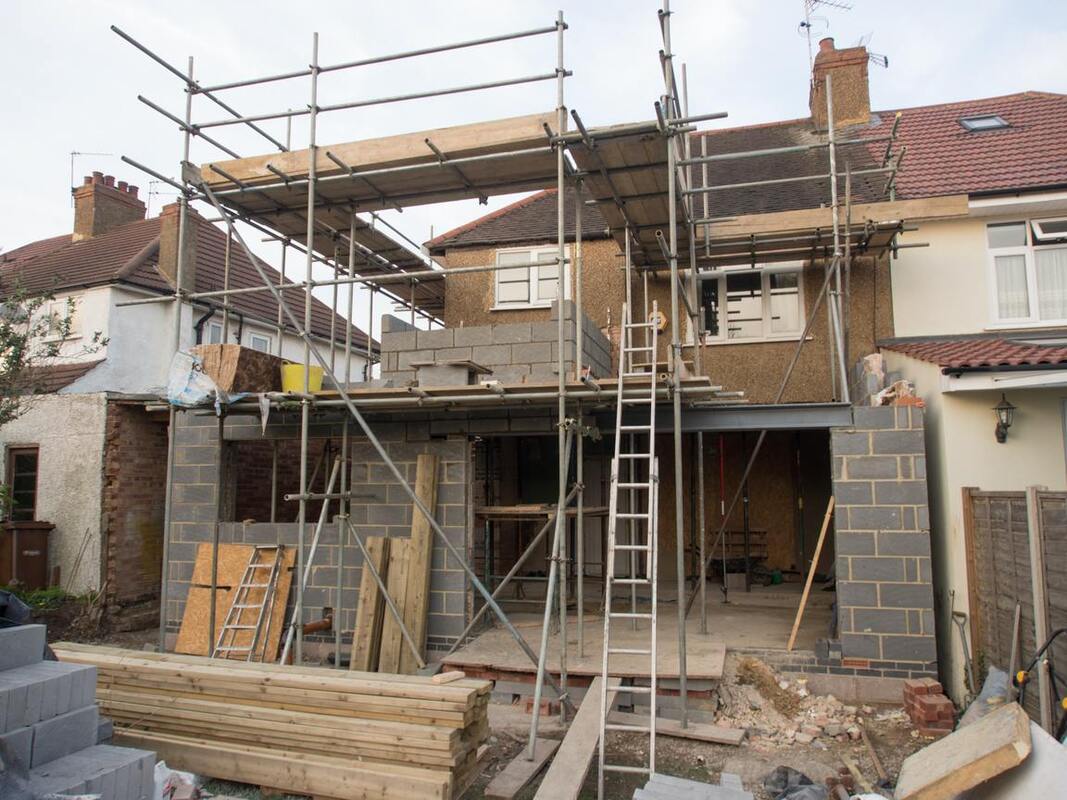
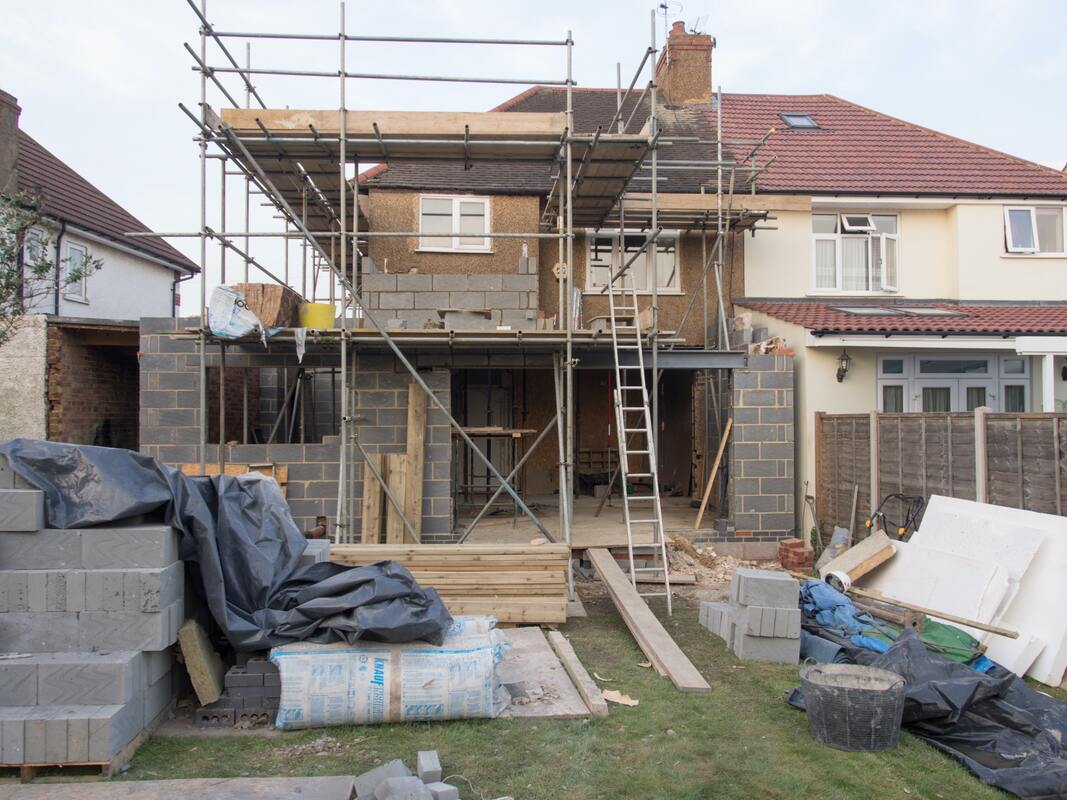
You can now build extensions to your house. For example, if you live in a detached home then your single-storey side extension may be up to half of the width of what is already present, and for those living in terraced or semi-detached homes who want to extend beyond the rear of the property, the limit is 3 metres. This allows homeowners to create everything from a single storey side extension to a two storey rear extension, which will have height limits and other permissions that need to be granted by your local council.
Class B: Roof Additions
This ruling allows for rear dormers and hip-to-gable roof extensions, as long as the additional volume created does not exceed 50m3, or 40m3 for semi-detached and terraced properties.
It also allows any outbuilding to be constructed within a residential area of land attached to a house, as long as it is sited behind the principal elevation, which is most usually the front of the property, and does not cover more than 50 percent of the curtilage, and is no more than 3 metres in total height and 4 metres for a dual-pitched roof, and 2.5 metres within 2 metres of a boundary line. There are also set regulations concerning Hard Surfaces (Class F), Chimneys and Flues (Class G), and microwave antennas (Class H).
Interested in a quotation for any type of House extension, major building works or renovations?
Then call our team now at
Nottingham Extensions
0115-647-0203
For a first class service and quality work
Get Your Free, No-Obligation Quote
Tell us a bit about the job and we'll come back to you with honest advice and a free quote — usually within 24 hours.